






How Families Partner With Staff in Baltimore Assisted Living
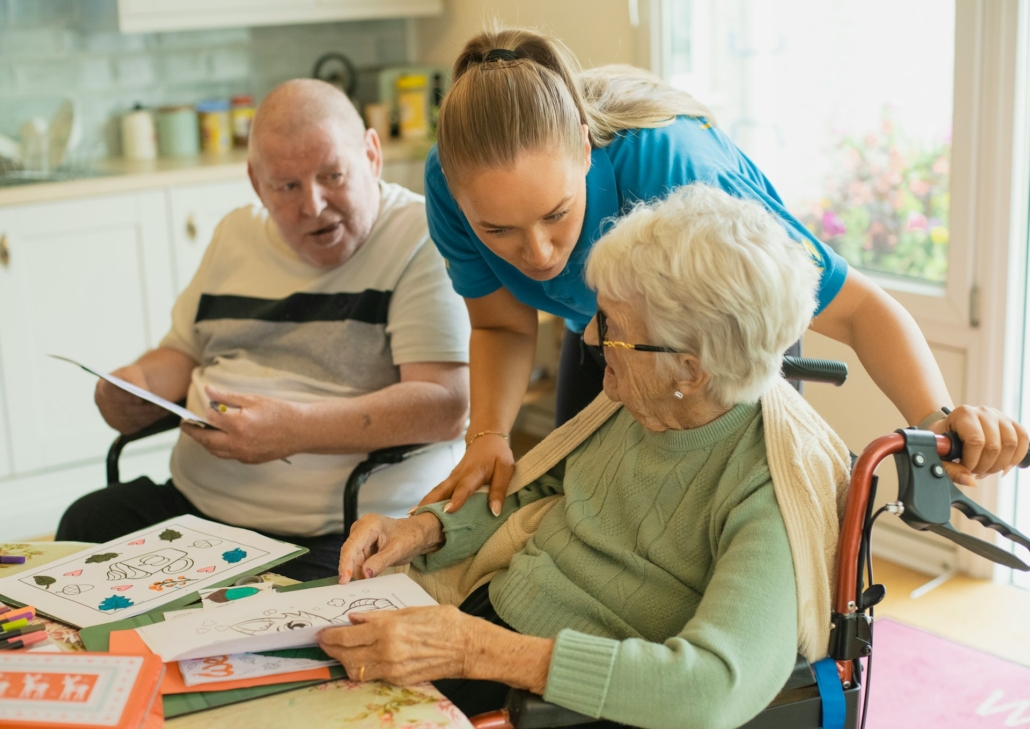
Build a Strong Care Team Around Your Loved One
Choosing assisted living is a big step for any family. Once a loved one moves in, it is normal to feel a mix of guilt, worry, and even relief. All of those feelings are human. What helps most is knowing you are not handing your loved one off; you are building a care team around them.
In a good assisted living home, families and staff are not on two sides. We are on the same side, with the same goal: safety, comfort, and a meaningful daily life for the person you love. When we work as one team, problems are easier to solve, and daily life feels calmer for everyone.
Here, we will walk through clear, simple ways to partner with staff in a Baltimore assisted living home. We will talk about communication routines, your role in care-plan meetings, setting healthy boundaries, and how to handle concerns with respect. Along the way, we will point to how family support services can help you feel less alone in the process.
Set up Clear Communication Routines From Day One
Strong teamwork starts with clear, steady communication. It helps to plan this early, instead of waiting until something feels wrong.
First, talk with the home about your preferred check-in rhythm. You might agree on:
- A quick weekly phone call with a main staff contact
- A monthly care conference to review how your loved one is doing
- Seasonal check-ins when health needs or routines often change
Choose one primary family contact so the staff knows who to call first during the day. That person can then share updates with other relatives. This keeps information from getting lost and keeps staff from trying to return several calls about the same issue during busy times.
Next, choose the right channel for the right kind of update:
- Phone: for urgent changes, new symptoms, or time-sensitive questions
- Email or secure portals: for non-urgent updates, questions about routines, and written notes
- In-person visits: for deeper talks, care-plan meetings, and walking through the home’s routines
Written communication can be helpful for tracking patterns. Short notes about changes in mood, sleep, appetite, or behavior over several weeks can give staff a clearer picture than a single phone call.
Please also share key information early and refresh it often:
- Medical history and current providers
- Daily routines, likes and dislikes
- Food preferences, cultural or spiritual needs
- Big family changes such as a loss, a move, or new caregiving plans
Many homes offer family support services like orientation sessions or welcome checklists. These tools help you remember what to share and what to ask. Using them makes it easier for us to understand your loved one as a whole person, not just a resident.
Know Your Role in Care-Plan Meetings and Daily Life
A care plan is more than a medical form. It is a living guide to how your loved one is supported each day. It usually includes:
- Health needs and medications
- Mobility and safety support
- Personal care routines
- Social, emotional, and spiritual needs
Care plans are reviewed on a set schedule and also after any change in health, mood, or function. If you notice new struggles during visits or outings, ask for a review. Your observations often fill in gaps that quick staff checks may not show.
You can prepare to contribute by bringing simple notes about:
- Changes in sleep, appetite, or energy
- New confusion, worry, or sadness
- How your loved one acts at family gatherings or during rides outside the home
Also share stories, hobbies, and pieces of life history. These details help staff plan activities that feel familiar and comforting, like playing a certain kind of music or setting up a small daily routine that matches what your loved one used to enjoy.
During meetings, it is fine to ask about medications, therapies, or safety steps. Try to frame questions in a curious, respectful way, such as: “Can you walk me through how you support them at night?” or “What side effects should we watch for with this new medicine?”
Most important, help keep your loved one’s voice at the center. Even if they have memory loss, they may still:
- Choose clothes or daily schedules from simple options
- Share what foods they like
- Enjoy being part of holiday or seasonal plans
Family support services like education sessions on dementia or communication skills can make it easier to balance safety with independence and dignity.
Create Healthy Boundaries That Protect Everyone
Healthy boundaries are not cold or distant. They protect residents, families, and staff so care can stay safe and consistent.
It helps to understand which requests belong with which role:
- Caregivers: daily personal care, comfort, and basic updates
- Nurses or medical staff: health concerns, medications, and monitoring
- Administrators: policies, staffing concerns, financial or move-in/move-out questions
- Outside providers: doctors, therapists, or home health when involved
Some common boundary issues include asking staff to do personal errands, expecting instant responses to every concern, or calling multiple times in a row during a busy care period. Clear expectations about response times and roles help prevent burnout and mistakes.
Visiting routines also matter. Think about:
- Timing: choose times that match your loved one’s best energy levels
- Length: shorter, steady visits can be better than long, tiring ones
- Group size: large groups can overwhelm someone who tires easily or has confusion
You might plan simple, low-stress visit ideas:
- Reading aloud or listening to music together
- Looking at family photos or memory books
- Helping with small seasonal decorations in their room
Try to balance involvement with trust. It is natural to want to watch every detail of care, especially at first. Over time, it usually helps to:
- Speak up quickly when something feels off
- Ask how the home already handles similar issues
- Notice and thank staff when things go well
Family support services, including support groups or education nights, can give you a safe space to talk through expectations and coping with change.
Resolve Concerns and Conflicts with Compassion
No matter how caring a community is, concerns will come up. What matters is how we handle them together.
Start by speaking up early and being specific. Instead of “You never help my mom,” try:
- “On Tuesday at dinner, I saw she did not have her walker close by. I worry she might fall. How can we prevent that?”
Describe what you saw, when it happened, and how it affected your loved one. Then pause and listen. There may be details you did not see or a simple fix that just needs to be put into place.
Most homes have a clear problem-solving path:
- First, talk with the caregiver or nurse on duty
- If the issue continues, speak with a supervisor or care coordinator
- If needed, set a time with administration to go over the concern
Ask for a follow-up plan that includes:
- What will change
- Who will do it
- When you will check in again
Writing down the plan in simple notes or an email can help everyone remember and stay on track. This protects residents, families, and staff.
Try to keep the relationship at the center. Remind yourself and the team that everyone is trying to support the same person. If emotions run high, it can help to:
- Take a short break and return to the talk later
- Ask another staff member or a trusted relative to join the meeting
- Use family support services like care conferences or referrals to counseling when stress feels heavy
Build an Ongoing Partnership That Honors Your Loved One
Partnering with assisted living staff is not a one-time task. It shifts as your loved one’s needs, health, and interests change. Clear routines, respectful questions, healthy boundaries, and kind conflict resolution all add up over time to a stronger, calmer care team.
At Hallie’s Homes in Baltimore, we see families as part of our daily work, not as visitors on the side. A warm, family-style home works best when the people who know the resident best share what they know, stay in touch, and lean on the family support services that are available to them. When families and staff stand together like this, residents feel safer, more understood, and more at home.
Give Your Loved Ones the Support They Deserve Today
If your family is ready for extra help at home, we are here to walk that path with you. At Hallie’s Homes, our family support services are designed to ease daily stress while honoring your loved one’s independence and dignity. Tell us about your situation and we will help you create a care plan that truly fits. To schedule a conversation with our team, simply contact us.


