





Residential Care Homes vs. Assisted Living in Baltimore: Key Differences
Choosing the Right Senior Home in Baltimore
Choosing a new home for an aging parent or spouse is a big decision. You are trying to balance safety, independence, and comfort, all while sorting through terms like residential care home, assisted living, and memory care. It can feel like a lot, especially if you are making choices after a health scare or a sudden change.
We wrote this to clear things up. We will explain what a residential care home in Baltimore is, how it compares to larger assisted living communities, how Maryland licensing and care levels work, and what kind of senior tends to do best in each setting. You will also get practical questions to bring on tours so you can plan calmly, even if a late summer or early fall move is on the horizon.
What a Residential Care Home in Baltimore Really Is
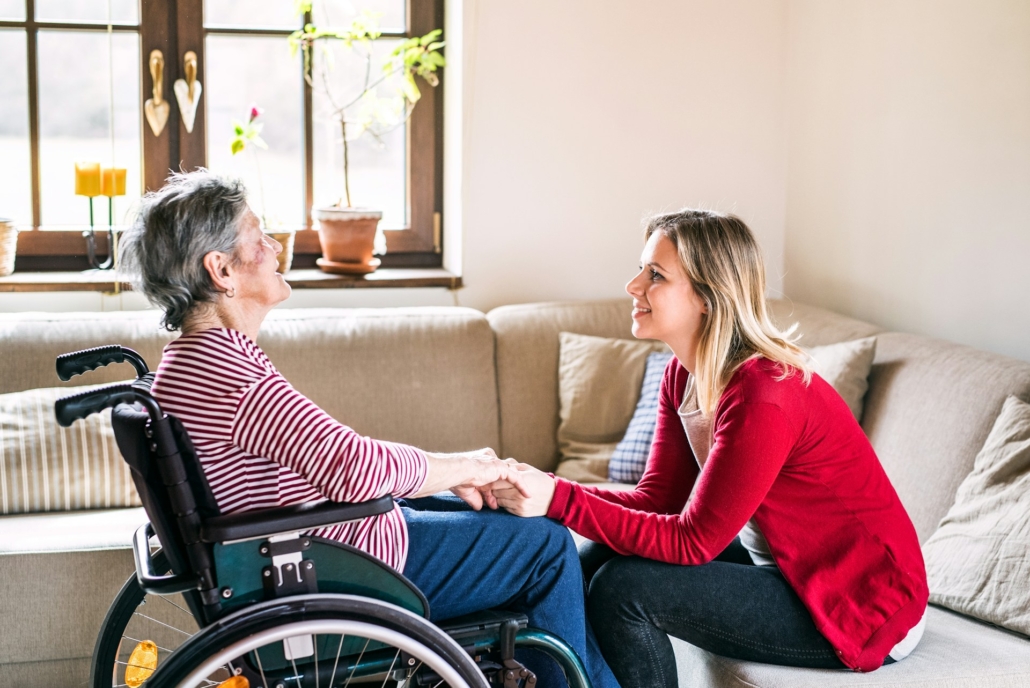
In Baltimore, a residential care home is a small assisted living home in a regular neighborhood. It usually looks and feels like a house, not a big facility. These homes often have a small group of residents, sometimes just a handful, sometimes a little more, all living together in a cozy, shared space.
Typical support in a residential care home can include:
- 24/7 supervision and support
- Help with daily tasks like bathing, dressing, grooming, and toileting
- Medication reminders and management
- Home-cooked meals and snacks
- Light housekeeping and laundry
- Help coordinating with doctors, home health, or therapy
The small size is the biggest difference. In a care home, seniors usually see the same caregivers every day. That can mean:
- A quieter, calmer setting for people who get nervous in crowds
- Easier routines for seniors living with memory loss
- Staff who really know each resident’s habits, moods, and warning signs
- Less walking and fewer long hallways, which helps those with mobility issues
For many families, this family-style feel makes the move from home a little gentler. It often feels more like joining an extended family than moving into a large building.
How Larger Assisted Living Communities Differ
Traditional assisted living communities are usually much bigger. They may look like an apartment building or a large campus with multiple wings. Residents often live in private or semi-private apartments with their own bedroom, bathroom, and sometimes a small kitchenette.
These communities often offer:
- On-site activities like exercise classes, crafts, and games
- Shared spaces such as dining rooms, lounges, and activity rooms
- Extras like hair salons, transportation, and scheduled outings
- Frequent group events and holiday celebrations
Because they are larger, the environment often feels busier and more structured. Caregivers may support many residents during each shift, and there can be more faces to get to know. This can be a great match for seniors who:
- Love social time and group activities
- Enjoy meeting new people and staying on the go
- Like the idea of a “mini campus” with lots of options
Both residential care homes and larger assisted living communities support aging in place outside of a nursing home. The main differences usually show up in daily life: scale, noise level, staff consistency, and how personal the day-to-day interactions feel.
Maryland Licensing and Care Levels to Understand
In Maryland, both residential care homes and larger assisted living communities follow state assisted living regulations. They are licensed by the state and must meet certain rules for safety, staffing, and care. One of the key pieces families often overlook is the “level of care” a home is licensed to provide.
In simple terms, Maryland assisted living care levels can be thought of like this:
-
Lower level of care
This is for seniors who are mostly independent but need some reminders or light hands-on help. Think cueing for medications, some support in the shower, or help picking safe clothing.
-
Moderate level of care
This is for residents who need daily hands-on support and closer monitoring. They might need help with most daily tasks, extra fall prevention, or more frequent check-ins.
-
Higher level of care
This is for seniors with more complex needs, like advanced mobility challenges, higher fall risk, or more progressed dementia that requires close supervision.
Each license level shapes what a home can safely handle. It affects:
- How much physical help staff can provide
- How they manage more complicated medications
- How well they can support wandering, confusion, or high fall risk
When you tour any assisted living or residential care home in Baltimore, it is smart to ask, “What care level is your license, and what does that mean in daily life here?” This matters even more if you are planning ahead for a move after a hospital stay or a health change.
Who Thrives in a Residential Care Home vs. Assisted Living
Different seniors bloom in different settings. There is no one “right” answer for every family.
A residential care home in Baltimore may be a better fit for seniors who:
- Feel nervous or lost in big buildings
- Prefer a quiet, predictable routine
- Have dementia or memory loss and do better with fewer faces
- Need closer supervision but still want a home-like setting
- Like sitting at a small table, chatting with the same group most days
A larger assisted living community can be a great match for seniors who:
- Enjoy large group games, music, and busier schedules
- Want many social choices and new people to meet
- Like more independence and a private apartment feel
- Are comfortable with a more structured, campus-style environment
Families often start looking seriously after certain turning points:
- A fall or growing concern about safety at home
- A hospital or rehab stay, when going home does not feel safe
- Caregiver burnout when family support is stretched too thin
- Seasonal loneliness or health worries, like winter isolation or summer heat
Starting your search before you are in a true crisis usually gives you more choices. Planning during late summer for a fall move, for example, can help you take your time with tours and conversations.
Costs, Medicaid, and Smart Questions to Ask
Costs can vary widely between a residential care home in Baltimore and larger assisted living communities. Prices are often based on things like:
- Type of room, such as private or shared
- Level of care and how much hands-on help is needed
- What is included, such as meals, laundry, or transportation
- Any extra services that may be added as needs change
Families in Maryland often use a mix of payment sources. These can include private savings, long-term care insurance, veterans benefits, or state programs and waivers that may help in certain licensed assisted living settings. Each situation is different, so it helps to ask each home what they accept and what they see families use most often.
When you tour, bring a simple checklist. Helpful questions include:
- What is your staff-to-resident ratio, day and night?
- Who is on-site overnight, and how do they respond to emergencies?
- How do you handle falls and communicate with families when something happens?
- What kind of support do you offer for dementia or memory loss?
- How do you keep residents safe and comfortable during hot summers and in cold, icy weather?
- How do you include families in care decisions and daily life?
Answers to these questions will tell you more about daily care than any brochure can.
How Hallie’s Homes Supports Aging in Place in Baltimore
Hallie’s Homes is a small, family-style residential care home in Baltimore. Our focus is on warm, home-like living where residents know the people caring for them and feel safe, heard, and respected. We provide personalized support with daily tasks, home-cooked meals, and a calm setting that feels more like a family home than a facility.
We tend to be a good fit for seniors who prefer a quieter space, those living with dementia who benefit from consistent routines and familiar faces, and older adults who feel overwhelmed by large, busy buildings. Our care is designed to help residents age in place with dignity, with steady support that can adjust as needs change. Families often tell us that the smaller scale, steady caregivers, and relaxed daily rhythm make the transition easier for everyone.
Find Peace of Mind With Personalized Senior Care Today
If you are looking for a warm, attentive place for your loved one, our residential care home in Baltimore is designed to feel like family from day one. At Hallie’s Homes, we focus on safety, dignity, and meaningful daily connection, so you do not have to navigate this transition alone. Reach out to contact us and we will walk you through options, answer your questions, and help you decide if our home is the right fit. Together, we can create a care plan that supports your loved one and brings you greater peace of mind.


